










Results for electronics casing
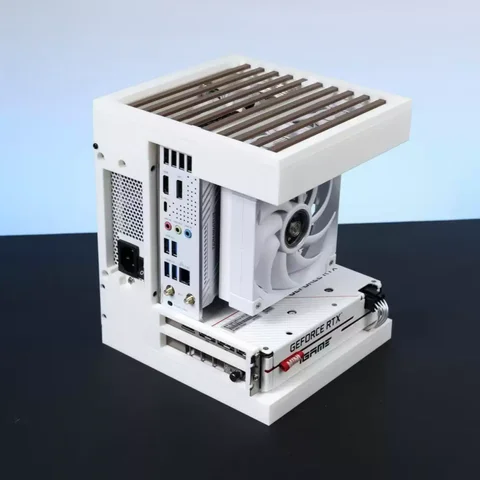
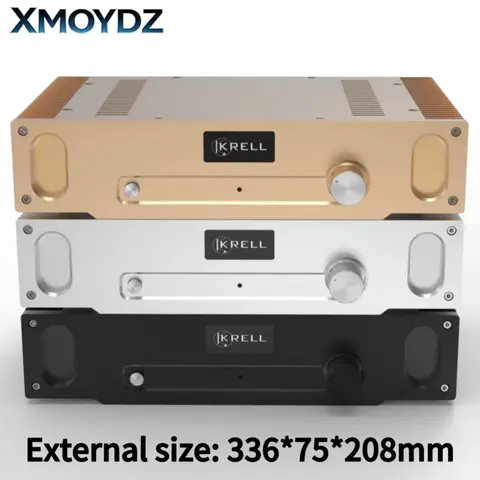
Electronics casing is a critical component for protecting electronic devices, ensuring durability, heat dissipation, and environmental resistance—especially in DIY projects, industrial applications, and repair work. Whether you're building a custom circuit board, assembling a control panel, or safeguarding sensitive components, choosing the right casing makes a significant difference in performance and longevity.
The search intent behind electronics casing typically revolves around finding reliable, functional enclosures that offer structural protection, thermal management, and compatibility with specific device dimensions. Users often seek solutions that balance cost, material quality, and ease of customization. Based on real-world usage, the ideal electronics casing should be dimensionally precise, thermally efficient, and resistant to moisture and static discharge, especially in environments with high humidity or frequent handling.
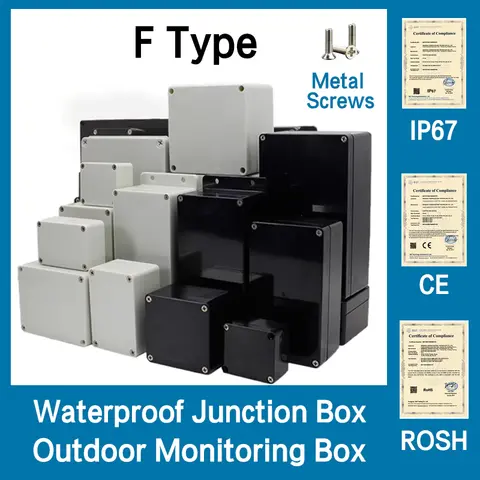
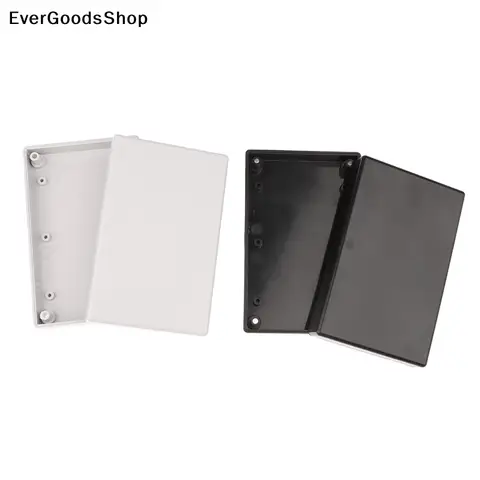
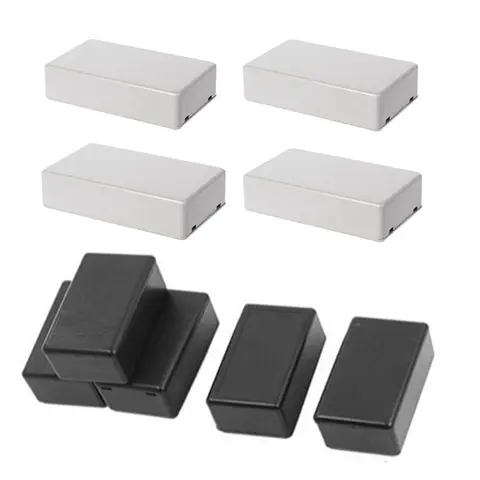
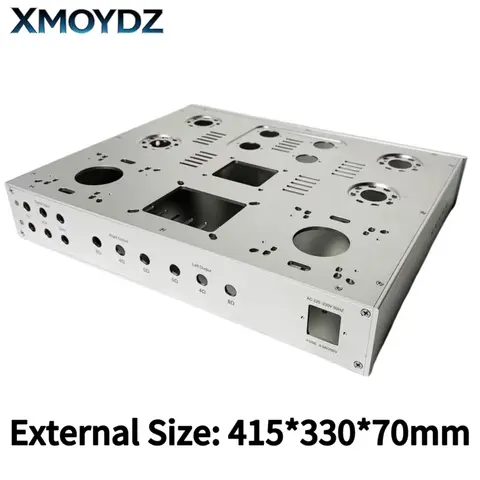
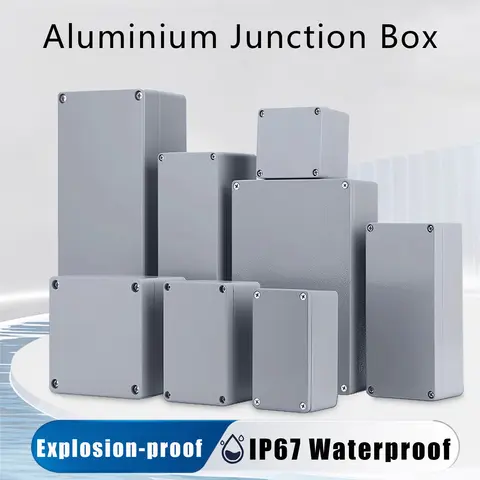
For users working on projects like custom instrument panels or embedded systems, the 16012070mm DIY High Quality Heat Dissipation Shell offers a robust solution. Made from durable plastic with a white or indigo finish, this casing features a waterproof design and is ideal for outdoor or industrial use. Its precise dimensions ensure compatibility with standard PCBs and connectors. For smaller projects, the 80x25x25mm extruded aluminum enclosure provides excellent heat dissipation and a sleek, professional appearance—perfect for compact electronics.
When handling sensitive components, always pair your casing with proper ESD protection. The Kaisi Anti Static ESD Wrist Strap (180 cm cable) helps prevent static buildup during assembly, reducing the risk of component damage. This is especially important when working with microcontrollers, sensors, or memory modules.
In summary, the right electronics casing enhances both functionality and safety. Prioritize material, dimensions, and protective features based on your project’s environment and requirements.
The search intent behind electronics casing typically revolves around finding reliable, functional enclosures that offer structural protection, thermal management, and compatibility with specific device dimensions. Users often seek solutions that balance cost, material quality, and ease of customization. Based on real-world usage, the ideal electronics casing should be dimensionally precise, thermally efficient, and resistant to moisture and static discharge, especially in environments with high humidity or frequent handling.
- Electronics Casing
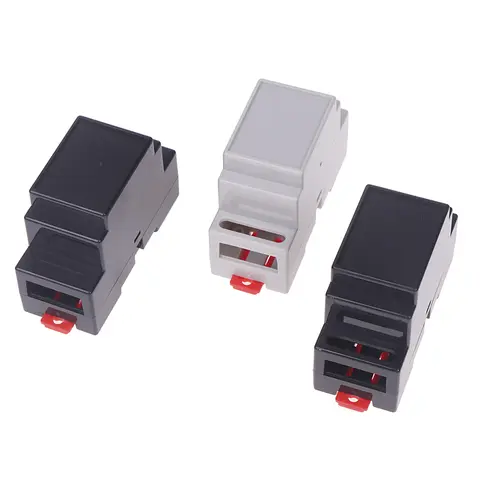
- A protective enclosure designed to house electronic components, providing mechanical support, environmental shielding, and thermal regulation. Commonly made from plastic or aluminum, casings are used in DIY projects, industrial control systems, and repair tools.
- Heat Dissipation
- The process by which a casing transfers excess heat away from electronic components to prevent overheating and failure. Aluminum casings are particularly effective due to their high thermal conductivity.
- ESD Protection
- Electrostatic Discharge protection refers to measures that prevent damage to sensitive electronics during handling. Anti-static wrist straps and conductive materials are essential in repair environments.
For users working on projects like custom instrument panels or embedded systems, the 16012070mm DIY High Quality Heat Dissipation Shell offers a robust solution. Made from durable plastic with a white or indigo finish, this casing features a waterproof design and is ideal for outdoor or industrial use. Its precise dimensions ensure compatibility with standard PCBs and connectors. For smaller projects, the 80x25x25mm extruded aluminum enclosure provides excellent heat dissipation and a sleek, professional appearance—perfect for compact electronics.
When handling sensitive components, always pair your casing with proper ESD protection. The Kaisi Anti Static ESD Wrist Strap (180 cm cable) helps prevent static buildup during assembly, reducing the risk of component damage. This is especially important when working with microcontrollers, sensors, or memory modules.
- Measure your electronic components and select a casing with a 5–10 mm internal clearance for wiring and ventilation.
- Choose aluminum for high-heat applications; plastic for lightweight, cost-effective solutions.
- Use anti-static wrist straps when installing sensitive electronics to avoid ESD damage.
- Seal openings with rubber grommets or O-rings if waterproofing is required.
- Test the casing’s fit before final assembly to avoid rework.
In summary, the right electronics casing enhances both functionality and safety. Prioritize material, dimensions, and protective features based on your project’s environment and requirements.